As a provider of ENT RF Plasma Surgical Systems, I’ve witnessed firsthand the transformative impact these advanced medical devices have on ear, nose, and throat (ENT) surgeries. One question that often arises is how these systems influence the patient’s immune system. In this blog post, I’ll explore this topic in depth, drawing on scientific research and real-world experiences. ENT RF Plasma Surgical Systems
Understanding the Basics of ENT RF Plasma Surgical Systems
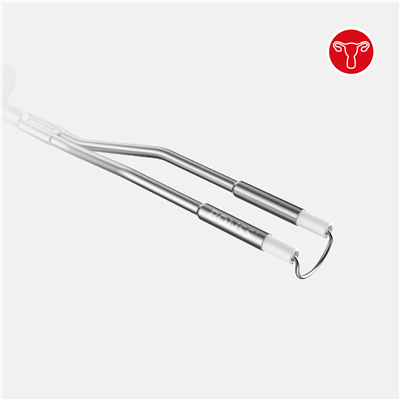
Before delving into the impact on the immune system, it’s essential to understand what an ENT RF Plasma Surgical System is and how it works. These systems use radiofrequency (RF) energy to generate a plasma field, which is used to cut, ablate, or coagulate tissue with high precision. The key advantage of RF plasma technology lies in its ability to operate at relatively low temperatures, minimizing thermal damage to surrounding tissues compared to traditional surgical methods.
The plasma field is created by introducing a conductive gas (usually helium) into the surgical site. When RF energy is applied, the gas molecules are ionized, forming a plasma cloud. This plasma cloud can then be used to break down the molecular bonds in the tissue, allowing for precise and controlled cutting or ablation. The low-temperature operation of RF plasma systems reduces the risk of collateral damage, such as tissue charring, nerve damage, and excessive bleeding.
The Immune System Response to Surgery
Surgery, in general, triggers a complex immune response in the body. When the body is injured during surgery, the immune system is activated to protect against infection, remove damaged tissue, and initiate the healing process. This response involves the activation of various immune cells, such as white blood cells (leukocytes), macrophages, and lymphocytes, as well as the release of inflammatory mediators, such as cytokines and chemokines.
In the initial phase of the immune response, the body’s innate immune system is activated. This includes the recruitment of neutrophils and macrophages to the surgical site. Neutrophils are the first responders and are responsible for phagocytosing (engulfing) bacteria and other foreign particles. Macrophages, on the other hand, play a crucial role in removing damaged tissue and presenting antigens to the adaptive immune system.
The adaptive immune system is also activated during surgery. This involves the activation of T cells and B cells, which are responsible for recognizing and attacking specific pathogens. The adaptive immune response is more specific and long-lasting than the innate immune response.
How ENT RF Plasma Surgical Systems Affect the Immune System
The use of ENT RF Plasma Surgical Systems can have several positive effects on the patient’s immune system compared to traditional surgical methods. Here are some of the key ways:
Reduced Inflammatory Response
One of the main benefits of RF plasma technology is its ability to minimize thermal damage to surrounding tissues. Traditional surgical methods, such as electrocautery or scalpel dissection, can cause significant thermal injury to the tissue, leading to a more profound inflammatory response. In contrast, RF plasma systems operate at lower temperatures, reducing the amount of tissue damage and subsequent inflammation.
A study published in the Journal of Otolaryngology – Head & Neck Surgery found that patients who underwent tonsillectomy using an RF plasma surgical system had a lower level of post-operative pain and inflammation compared to those who underwent the procedure using traditional methods. The reduced inflammatory response is likely due to the decreased thermal damage to the surrounding tissue, which in turn reduces the activation of the immune system.
Preservation of Immune Function
Because RF plasma systems cause less damage to the surrounding tissue, they are also less likely to disrupt the normal immune function of the affected area. In the case of ENT surgeries, such as tonsillectomy or adenoidectomy, the tonsils and adenoids are important components of the immune system, acting as a first line of defense against inhaled or ingested pathogens.
Traditional surgical methods may cause more extensive damage to these tissues, potentially impairing their immune function. In contrast, RF plasma systems can selectively remove the diseased tissue while preserving the normal structure and function of the surrounding healthy tissue. This helps to maintain the immune function of the affected area and reduces the risk of post-operative infections.
Faster Wound Healing
The reduced inflammatory response and preservation of immune function associated with RF plasma surgery can also lead to faster wound healing. When the body’s immune system is less activated, it can focus on the healing process more efficiently. Additionally, the precise cutting and coagulation provided by RF plasma systems result in less tissue damage, which promotes faster and more complete wound healing.
A study in the International Forum of Allergy & Rhinology showed that patients who underwent septoplasty using an RF plasma surgical system had a shorter recovery time and less post-operative complications compared to those who underwent the procedure using traditional methods. The faster wound healing may be attributed to the reduced inflammatory response and the preservation of the normal tissue architecture.
Case Studies: Real-World Examples
To illustrate the impact of ENT RF Plasma Surgical Systems on the immune system, let’s look at some real-world case studies.
Case Study 1: Tonsillectomy
A 10-year-old boy presented with recurrent tonsillitis and was scheduled for a tonsillectomy. The procedure was performed using an ENT RF Plasma Surgical System. Post-operatively, the patient reported minimal pain and was able to resume normal activities within a few days. The reduced pain and quick recovery were likely due to the lower level of inflammation and tissue damage caused by the RF plasma system. Additionally, the patient did not experience any post-operative infections, indicating that the immune function of the surrounding tissue was preserved.
Case Study 2: Sinus Surgery
A 35-year-old woman with chronic sinusitis underwent sinus surgery using an RF plasma surgical system. The procedure was minimally invasive, and the patient had a shorter hospital stay compared to traditional sinus surgery. The reduced inflammation and tissue damage allowed for faster healing of the sinus mucosa. The patient’s immune system was able to recover quickly, and she had a lower risk of post-operative sinus infections.
The Future of ENT RF Plasma Surgical Systems and Immune System Research
As the field of ENT surgery continues to evolve, there is a growing interest in further understanding the impact of RF plasma technology on the immune system. Future research may focus on the long-term effects of RF plasma surgery on immune function, as well as the potential use of these systems in immunomodulatory therapies.
For example, researchers may explore whether RF plasma surgery can be used to enhance the immune response in patients with certain ENT disorders, such as head and neck cancer. By selectively targeting and removing diseased tissue while preserving the immune function of the surrounding area, RF plasma systems may offer a more effective and less invasive treatment option.
Conclusion
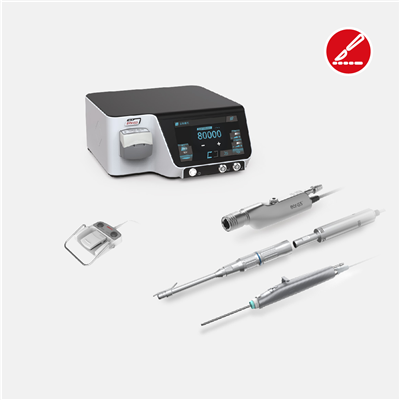
In conclusion, ENT RF Plasma Surgical Systems offer several advantages over traditional surgical methods in terms of their impact on the patient’s immune system. The reduced inflammatory response, preservation of immune function, and faster wound healing associated with these systems can lead to better patient outcomes and a more rapid recovery.
Ultrasonic Surgical System As a supplier of ENT RF Plasma Surgical Systems, I am committed to providing healthcare professionals with the latest technology and scientific evidence to support their clinical practice. If you are interested in learning more about our products or discussing potential applications in your practice, I encourage you to reach out to us for a purchase negotiation. We will be happy to provide you with detailed information and answer any questions you may have.
References
- Journal of Otolaryngology – Head & Neck Surgery
- International Forum of Allergy & Rhinology
Jiangsu Bonss Medical Technology Co., Ltd.
As one of the most professional ent rf plasma surgical systems manufacturers and suppliers in China, we’re featured by quality products and good price. Please rest assured to buy bulk ent rf plasma surgical systems for sale here from our factory. Customized orders are welcome.
Address: Building #7,No.898,China Medical City Avenue, Haling District, Taizhou City.Jiangsu P.R. China
E-mail: inquiry@plasma-surgical.com
WebSite: https://www.bonssmedical.com/
