If you’ve ever ordered a large shipment of goods, shipped pallets of produce across borders, or received a custom crate for expensive machinery, chances are wooden packaging was part of the process. For years, wooden crates, pallets, and dunnage have been the unsung workhorses of global supply chains—affordable, durable, and adaptable enough to protect everything from electronics to pharmaceuticals. As a third-generation wooden packaging supplier, I’ve spent decades walking warehouse floors, talking to logistics managers, and answering the same question again and again: “Is there any hidden health risk in the wood we’re using to ship our products?” It’s a fair question. Wooden packaging is natural, but that doesn’t mean it’s entirely risk-free. Over the years, I’ve learned to separate fact from rumor, and today I want to share what I’ve discovered about the real health risks (and the ways we mitigate them here at our facility). Wooden Packaging
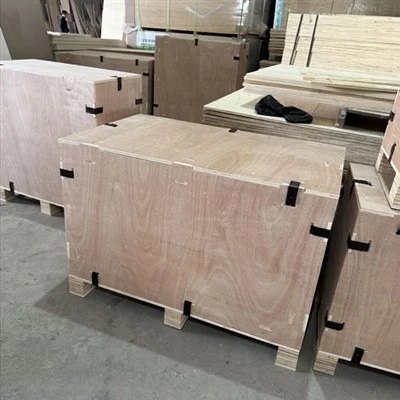
First, let’s cut through the noise about the most talked-about risk: pests. For as long as cross-border shipping has existed, invasive insects and fungi have hitched rides on wooden packaging. The most infamous is the Asian longhorned beetle, which arrived in the U.S. in the 1990s on untreated wooden crates and went on to destroy thousands of maple trees in states like New York and Illinois. But pests aren’t just a threat to ecosystems—some can pose health risks to humans. Bark beetles, for example, have sharp mandibles that can pierce skin during manual handling, leading to redness, itching, and even infection if not cleaned properly. That’s why every shipment we send out goes through ISPM 15 treatment, the global standard for phytosanitary regulations. We heat-treat our wood to 56 degrees Celsius for at least 30 minutes, which kills all life stages of pests—adults, larvae, and eggs—so they can’t survive a cross-country or international trip. We also remove all bark during processing, since bark is where most pests hide. I’ve seen first-hand what happens when untreated wood slips through the cracks: a client once had their entire shipment held at a port in Europe because a single unprocessed pallet had a small beetle hole. That delay cost them tens of thousands of dollars, and it just wasn’t worth the risk. For our part, we keep strict records of every treatment we do, so our clients can prove compliance no matter where they’re shipping.
Next up: mold and bacteria. Wood is porous, which means it can absorb moisture if it’s stored in a damp warehouse, exposed to rain during transport, or not properly dried before processing. That moisture creates the perfect breeding ground for mold, some of which can produce mycotoxins. Mycotoxins are poisonous substances that can cause allergic reactions, respiratory issues, and even long-term health problems if inhaled or ingested. I’ve had warehouse staff mention that old, damp pallets sometimes have a musty smell that makes their eyes water or their noses run—that’s often early exposure to mold spores. Bacteria like E. coli and Salmonella are another concern, especially for wooden packaging used in food and agriculture. If a pallet is used to ship raw meat or produce and isn’t properly cleaned, those bacteria can linger in the wood’s grain, contaminating future shipments. Years ago, we worked with a local produce company that had to recall a batch of spinach because traces of E. coli were found on pallets they’d used. The problem? Those pallets were reused without any sanitization between shipments. Since then, we’ve added a step to our food-grade wooden packaging line: after heat-treatment, we power-wash every crate and pallet with food-safe disinfectants, then air-dry them to a moisture content of under 19% (the sweet spot to prevent mold growth). We also don’t use any chemically treated wood for food packaging, because those chemicals can leach into food over time. We test for moisture levels every hour during processing, so we never ship out wood that’s too damp.
Another less obvious risk is chemical exposure from wood treatments. For decades, some wooden packaging suppliers used chromated copper arsenate (CCA), a preservative that contained arsenic, to protect wood from rot and pests. Arsenic is a carcinogen, and long-term exposure to CCA-treated wood can lead to skin damage, respiratory issues, and even cancer. But here’s the good news: CCA has been banned for residential and commercial use in most countries, including the U.S., since 2003. However, I still encounter old pallets and crates that were treated with CCA, especially when clients reuse their own packaging or source from unregulated suppliers. That’s why we never use CCA, creosote, or other toxic preservatives in our products. Instead, we use heat treatment and natural plant-based preservatives for any wood that’s going to be stored for long periods. These preservatives are non-toxic, so they don’t pose a health risk to workers handling the wood or to products inside the packaging. We also train our staff to wear gloves and masks when sanding or processing wood, just in case any residual particles get into the air. Even with safe treatments, wood dust itself is a health hazard. When you sand or cut wood, tiny particles of wood get released into the air, and inhaling that dust over time can lead to occupational asthma or even chronic obstructive pulmonary disease (COPD). OSHA sets strict limits for wood dust exposure, and we follow those guidelines to the letter. We installed dust extraction systems in all our processing areas, so 99% of the wood dust is captured before it reaches our workers. We also require all staff to wear N95 masks and safety glasses during processing, and we hold quarterly training sessions on dust safety. A few years ago, one of our long-time employees developed a mild dust allergy, and we were able to adjust his role to a non-sanding position without any issues. That’s the kind of care we prioritize, because our people matter as much as the products we ship.
Wait, there’s also the issue of splinters. I know, splinters seem like a minor nuisance, but they can cause serious problems if they’re not treated. Wood splinters can introduce bacteria into the skin, leading to infections like cellulitis, which requires antibiotics. For workers handling wooden packaging all day, splinters add up: one of our warehouse managers told me she gets at least 10 splinters a week, and once she had one that got infected and kept her out of work for three days. That’s why we’ve invested in smoother finish processing for all our products. After cutting and sanding, we buff every edge and corner, so there are no sharp splinter-prone areas. We also include nail guards on the corners of crates, so workers don’t have to deal with protruding nails that can cause injury. We’ve even added first-aid stations in every area of our facility with sterile tweezers, antiseptic, and bandages, just for splinters and minor cuts. It’s a small step, but it makes a big difference for both our workers and our clients who handle the packaging.
Now, I want to be clear: wooden packaging is still one of the safest, most sustainable options available. Unlike plastic, it’s biodegradable, and it’s made from a renewable resource (we source our wood from FSC-certified forests, so every tree we use is replaced). The risks we’ve talked about are not inevitable—they’re things that can be prevented with proper processing, training, and regulation. As a supplier, we don’t just sell pallets and crates; we sell peace of mind. We know that our clients’ products and their workers’ health are on the line when they use our packaging. That’s why we invest in the best treatment technology, follow global standards, and prioritize safety at every step.

If you’re tired of worrying about hidden health risks in your wooden packaging, or if you’re looking for a supplier that prioritizes safety and compliance, we’d love to talk. Whether you’re shipping food, electronics, or heavy machinery, we can customize wooden packaging to fit your needs, with full documentation of all treatments and safety measures. Let’s connect to discuss your requirements and find the right solution for your supply chain.
Plywood Packaging References
- International Plant Protection Convention (IPPC). ISPM 15: Regulation of wood packaging material in international trade. Food and Agriculture Organization of the United Nations, 2021.
- Occupational Safety and Health Administration (OSHA). Wood dust standard: 29 CFR 1910.1052. U.S. Department of Labor, 2023.
- World Health Organization (WHO). Mycotoxins in food: Safety and health aspects. WHO Press, 2018.
- Environmental Protection Agency (EPA). Chromated Copper Arsenate (CCA): Phase-out of CCA-treated wood. U.S. EPA, 2002.
- Forest Stewardship Council (FSC). FSC certification standards for responsible forest management. FSC International, 2022.
Nanjing Ruihe Packaging Technology Co., Ltd.
As one of the most experienced wooden packaging manufacturers and suppliers in China, we offer a wide range of products with superior quality. Please feel free to wholesale premium wooden packaging made in China here from our factory. Welcome to contact us for more details.
Address: No.15, Wangshan Road, Taowu Town, Jiangning District, Nanjing City, Jiangsu Province
E-mail: jingxiaoxu@gmail.com
WebSite: https://www.ruihepackaging.com/
