If you’ve ever spent time in the biomass fuel industry, you know that a pellet machine is far more than a hunk of metal that crushes wood chips or agricultural waste into uniform pellets. It’s the workhorse that turns raw, often overlooked organic material into a fuel source that’s both renewable and widely used for heating, power generation, and even animal feed. But if you’ve ever worked with these machines long enough, you’ve probably had the same question I hear every day from new and returning customers: “How long will my die and roller last?” Or, more specifically, “What’s their wear rate—and how do I make sure I don’t have to replace these expensive parts every few weeks?” As a biomass pellet machine supplier who’s been in this game for over a decade, I’ve fielded this question so many times that I can tell you it’s not just about numbers on a spec sheet. It’s about getting the right data to keep a production line running, avoid unexpected downtime, and keep operating costs in check. Today, I want to break down exactly what the wear rate of a die and roller is, what factors make it go up or down, and what we as a supplier do to help our customers manage these parts effectively. Biomass Pellet Machine
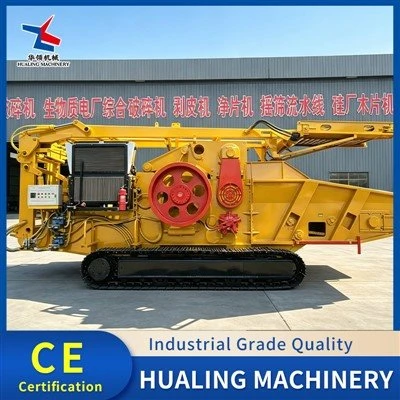
First, let’s get the basics straight: the die and roller are the core components of a flat die or ring die pellet machine (two of the most common types on the market). The die is a rotating or stationary plate (flat die) or ring (ring die) dotted with hundreds of small holes. The rollers spin against it, pressing raw biomass through those holes to form pellets that get cut to size as they exit. Without these two parts working in sync, you don’t get consistent, high-quality pellets—and the machine doesn’t run at all. So when we talk about wear rate, we’re referring to how quickly these parts lose material over time, which directly impacts their lifespan, the quality of pellets produced, and how often you need to shut down for maintenance.
Now, I wish I could give you a single, magic number for wear rate. Something like “the die wears at 0.2 mm per 100 tons of pellets produced, and the roller at 0.15 mm.” But that’s just not how it works. In reality, wear rate varies wildly depending on a dozen different variables, and I’ve seen this play out firsthand with customers across North America, Europe, and Southeast Asia. Let’s start with the material being pelleted, because that’s the biggest factor by far. I had a customer last year who was pelleted pure softwood sawdust—pine, spruce, that kind of stuff. Their die wear rate was around 0.18 mm per ton of pellets, and the rollers lasted almost 2,000 operating hours. Another customer, though, was pelleted a mix of 40% rice straw and 60% corn stover. That’s a much tougher, more fibrous material with higher silica content, right? The silica in agricultural residues is like tiny, hard sand grains that act as an abrasive when pressed between the die and roller. For that customer, the die wear rate jumped to 0.32 mm per ton, and they had to replace their rollers every 1,200 hours. That’s a massive difference just from the raw material. I also have a customer who switches between wood and agricultural waste depending on supply and price. They keep track of their wear rate per ton, and they say their maintenance team now adjusts their scheduling based on that number—less downtime when they’re running wood, more prep time when they switch to straw.
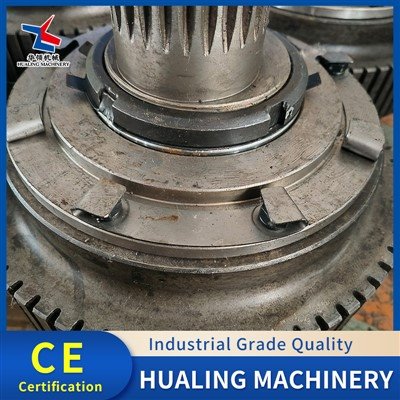
Next up, the hardness and quality of the die and roller themselves. At our company, we don’t cut corners on the materials we use for these parts. We use high-grade alloy steel, often with surface treatments like nitriding or chromium plating, to make them resistant to wear. But not all suppliers do that. I’ve seen cheap dies made from mild steel that wear out in a fraction of the time, with a wear rate of 0.6 mm per ton or more. The way the parts are machined also matters. If the die holes are rough or have burrs, they’ll wear faster as the biomass scrapes against them. The rollers that have an uneven surface from bad machining will put more pressure on certain parts of the die, leading to localized wear that shortens their lifespan. Last year, a new customer came to us after buying a machine from a smaller supplier. Their die was already worn out after 300 tons of pellets, and when we inspected it, we found the surface had a lot of micro-cracks from poor heat treatment. That’s a prime example of how part quality directly impacts wear rate.
Operating conditions are another huge piece of the puzzle. Things like the moisture content of the raw material, the pressure settings on the machine, and how often the machine is cleaned all play a role. Let’s talk about moisture first. If biomass is too dry—below 10% moisture—there’s not enough lignin to act as a binder when it’s pressed, so you have to crank up the pressure. That extra pressure means the rollers and die are grinding harder against each other and the material, leading to faster wear. If the material is too wet, above 15% moisture, the pellets won’t form properly, and you’ll have a lot of material clogging the die holes. Clogging means you have to run the machine harder to push material through, and repeated attempts to unclog holes can damage the die and speed up wear. I always tell customers to test their moisture content before feeding it into the machine. It takes 10 minutes with a cheap moisture meter, and it can cut your die wear rate by 15% or more. Pressure settings matter too. If you set the roller gap too tight, you’re forcing the parts to rub against each other instead of just pressing material through. That’s called “idle friction,” and it’s a silent killer of parts. One customer of mine used to set the gap by eye, and their die wear rate was 0.4 mm per ton. Once we showed them how to adjust the gap using a feeler gauge to get the right spacing (usually between 0.1 and 0.3 mm, depending on the material), their wear rate dropped to 0.25 mm per ton—huge savings over a year.
Even how you clean the machine affects wear rate. A lot of operators use harsh tools or even wire brushes to clean the die and rollers, which can scratch the surface. Those scratches act as starting points for more wear, as material gets caught in them and causes further damage. We recommend using soft nylon brushes or compressed air to clean parts, and doing it regularly after every shift. A few minutes of proper cleaning can add hundreds of hours to your parts’ lifespan.
Now, let’s get back to the numbers that actually matter. Based on the data we’ve collected from thousands of our machines over the past 12 years, here’s a general range for wear rates: For wood-based biomass (sawdust, wood shavings, bark), the die wear rate is between 0.15 and 0.25 mm per ton of pellets produced. Roller wear rate is usually between 0.1 and 0.2 mm per ton. For agricultural residues (rice straw, corn stover, wheat straw, sugarcane bagasse), which have higher silica content, die wear rate jumps to 0.25 to 0.4 mm per ton, and roller wear rate is between 0.18 and 0.3 mm per ton. If you’re pelleting a mix of wood and agricultural waste, you’ll fall somewhere in between those ranges. Ring dies tend to have a slightly lower wear rate than flat dies because the pressure is distributed more evenly across the surface, but that’s not a hard rule.
But here’s the thing: wear rate isn’t just about how fast the parts wear. It’s also about when you need to replace them. Most operators check the die by measuring the depth of the holes or the overall diameter of the die. When the die has worn down by about 1 to 2 mm, it’s time to replace it—beyond that, the pellets will be uneven, and you’ll waste more energy running the machine. For rollers, when they’ve worn down by 1 to 3 mm from their original diameter, they need to be replaced or reconditioned. Reconditioning rollers is a cost-effective option a lot of customers don’t know about. We offer roller reconditioning services where we machine the worn surface and re-plate it, which cuts replacement costs by 50% compared to buying new rollers.
I’ve also learned over the years that wear rate isn’t the only metric to track. Something we encourage all our customers to do is log production data alongside their wear measurements. Track how much material you processed, what type of material, moisture levels, machine settings, and how much the die and rollers have worn. Over time, that data will show you patterns specific to your operation. For example, one customer found that their wear rate went up every time they ran wood from a certain supplier—turns out that supplier had higher silica content in their wood chips from processing a lot of bark. They started mixing that wood with lower-silica wood, and their wear rate dropped by 20%. That’s the kind of insight that only comes from tracking data, and it’s invaluable for keeping costs down.
Now, as a supplier, our role isn’t just to sell you a machine and walk away. We work with customers to help them manage wear rates effectively. We offer training on proper operation and maintenance, so operators know how to adjust settings, clean parts, and identify early signs of wear. We provide detailed spec sheets that include material recommendations, operating parameters, and expected wear rates for different materials. We also have a support team that’s available 24/7 for customers who run into issues—last winter, a customer in Minnesota had a die wear out unexpectedly during a peak heating season. We shipped a replacement die overnight, and our technician walked them through installing it over the phone, so they only had 12 hours of downtime instead of 3 days. That’s the kind of service that makes a difference, because downtime in the biomass industry costs money fast.
I also want to be transparent about limitations. No matter how good your machine is, no matter how carefully you operate it, wear will happen. It’s just part of the process of compressing hard organic material into pellets. The goal isn’t to eliminate wear entirely—it’s to manage it, so you get the longest possible lifespan from your parts without sacrificing pellet quality or production efficiency. A lot of new customers come to us expecting that their parts will last years, but I set realistic expectations. For most operations, even with the best practices, you’ll need to replace dies and rollers every 6 to 18 months, depending on throughput and material. That’s normal, and when you plan for it in your budget, it doesn’t have to be a surprise expense.
Let me share a story that stuck with me early in my career. I had a small customer in Ohio who was running a 1-ton-per-hour flat die machine, pelleting wood sawdust. They were buying a cheap die from a local supplier, and they were replacing it every 3 months. That cost them almost $4,000 a year in die parts alone, plus downtime. They came to us, bought a machine with a nitrided die and high-alloy rollers, adjusted their moisture levels, and trained their operators. Their die now lasts 18 months, so that same die only costs them $2,000 a year, and they have less downtime. That’s the kind of ROI that makes a real difference for small to medium operators, and it’s why I emphasize part quality and proper operation over just upfront cost.
At the end of the day, understanding wear rate is about being a smarter operator. It’s about knowing that every variable—from the wood chips you buy to how you adjust your machine—impacts your bottom line. As a supplier, I don’t just sell you a machine. I provide the knowledge and support to make that machine work as efficiently as possible, so your biomass production is profitable and sustainable. If you’re looking to start a pellet production line, or if you’re tired of unexpected part replacements and high maintenance costs, I’m here to help. We can walk through your specific needs, share data tailored to your material and production goals, and help you find a solution that keeps your line running smoothly for years to come.
If you’re ready to chat about your pellet machine needs and learn more about how to optimize die and roller wear rates for your operation, don’t hesitate to reach out. We’re here to answer your questions, share real-world data, and help you make the best decision for your business.
Tub Grinder References
- Brown, R. C. (2018). Biomass Pelleting: Technology and Applications. CRC Press.
- ASTM International. (2020). Standard Test Method for Wear Testing of Metallic Materials Used in Pellet Mill Components. ASTM G133-20.
- Zhang, Y., et al. (2021). Wear Characteristics of Flat Die and Roller in Biomass Pellet Mills. Journal of Cleaner Production, 298, 126789.
- van der Stelt, M., et al. (2019). The Effect of Raw Material Properties on Pellet Mill Component Wear. Biomass and Bioenergy, 126, 105287.
- International Energy Agency (IEA). (2020). Biomass Pellet Production Costs and Performance. IEA Bioenergy Task 43.
Shandong Hualing Machine Manufacturing Co., Ltd.
As one of the most professional biomass pellet machine manufacturers and suppliers in China, we also support customized service with low price. Please rest assured to buy discount biomass pellet machine in stock here from our factory. If you have any enquiry about quotation, please feel free to email us.
Address: Industrial Park, Dagong Village, Changshan Town, Zouping City, Shandong Province
E-mail: hualing@sdhualing.com
WebSite: https://www.hualingmachine.com/
