As a supplier of Anilox sleeves, I’ve had the privilege of engaging with numerous customers in the printing industry. One question that frequently arises is, "What is the best doctor blade for use with an Anilox Sleeve?" This query is not just a simple inquiry; it’s a crucial aspect of optimizing the printing process, as the right combination of doctor blade and Anilox sleeve can significantly enhance print quality, efficiency, and overall productivity. Anilox Sleeve
Understanding the Role of Anilox Sleeves and Doctor Blades
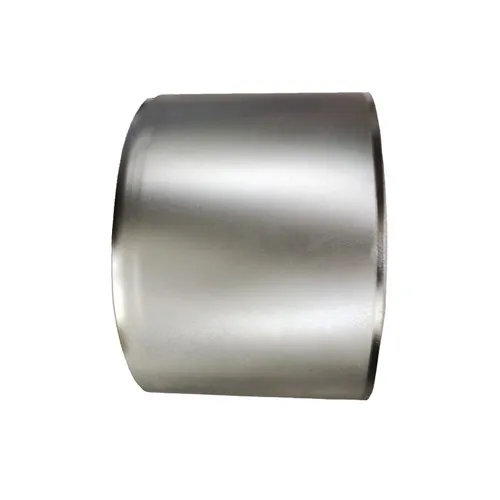
Before delving into the selection of the best doctor blade, it’s essential to understand the functions of Anilox sleeves and doctor blades in the printing process. Anilox sleeves are cylindrical rollers with a finely engraved surface that holds and transfers ink to the printing plate. They play a vital role in controlling the ink volume and distribution, which directly impacts the print quality.
On the other hand, doctor blades are used to remove excess ink from the Anilox sleeve’s surface, leaving only the ink within the engraved cells to be transferred to the printing plate. This process ensures precise ink metering and consistent print results.
Factors to Consider When Choosing a Doctor Blade for Anilox Sleeves
1. Blade Material
The material of the doctor blade is a critical factor that affects its performance and compatibility with Anilox sleeves. There are several types of doctor blade materials available in the market, each with its own advantages and disadvantages.
- Steel Blades: Steel doctor blades are known for their high durability and excellent resistance to wear. They are suitable for high-speed printing applications and can withstand the pressure exerted during the doctoring process. However, steel blades can be prone to corrosion if not properly maintained, and they may cause scratching on the Anilox sleeve surface if not used correctly.
- Plastic Blades: Plastic doctor blades are more flexible than steel blades, which allows them to conform better to the surface of the Anilox sleeve. They are also less likely to cause scratching on the sleeve, making them a good choice for delicate or abrasive inks. However, plastic blades are less durable than steel blades and may need to be replaced more frequently.
- Ceramic Blades: Ceramic doctor blades offer superior wear resistance and chemical resistance compared to steel and plastic blades. They are ideal for use with abrasive inks and can provide consistent ink metering over a long period of time. However, ceramic blades are more expensive than steel and plastic blades, and they require careful handling to prevent damage.
2. Blade Thickness and Hardness
The thickness and hardness of the doctor blade also play a crucial role in its performance. Thicker blades are generally more durable and can withstand higher pressure, but they may also be less flexible and more likely to cause scratching on the Anilox sleeve. On the other hand, thinner blades are more flexible and can conform better to the surface of the sleeve, but they may be less durable and more prone to breakage.
The hardness of the doctor blade is also important, as it affects the blade’s ability to remove excess ink from the Anilox sleeve. Harder blades are more effective at removing ink, but they may also cause more wear on the sleeve. Softer blades are less likely to cause wear on the sleeve, but they may not be as effective at removing ink.
3. Blade Edge Design
The edge design of the doctor blade can also have a significant impact on its performance. There are several types of blade edge designs available, each with its own advantages and disadvantages.
- Square Edge: Square edge doctor blades are the most common type of blade edge design. They are simple and easy to manufacture, and they provide good ink removal performance. However, square edge blades can be more prone to chipping and wear, especially when used with abrasive inks.
- Beveled Edge: Beveled edge doctor blades have a sloped edge that helps to reduce the pressure on the Anilox sleeve and prevent scratching. They are also more effective at removing ink from the sleeve, especially in high-speed printing applications. However, beveled edge blades are more expensive than square edge blades and may require more precise installation.
- Rounded Edge: Rounded edge doctor blades have a smooth, rounded edge that helps to reduce the friction between the blade and the Anilox sleeve. They are less likely to cause scratching on the sleeve and can provide a more consistent ink transfer. However, rounded edge blades are less effective at removing ink from the sleeve than square edge and beveled edge blades.
4. Printing Process and Ink Type
The type of printing process and the ink being used also need to be considered when choosing a doctor blade for Anilox sleeves. Different printing processes, such as flexography, gravure, and offset, have different requirements for ink metering and transfer. Similarly, different types of inks, such as water-based, solvent-based, and UV-curable inks, have different properties that can affect the performance of the doctor blade.
For example, water-based inks are generally less viscous than solvent-based inks, which means they require a different type of doctor blade to achieve optimal ink metering. UV-curable inks are also more abrasive than other types of inks, which means they require a doctor blade with high wear resistance.
Recommended Doctor Blades for Anilox Sleeves
Based on my experience as an Anilox sleeve supplier, I recommend the following doctor blades for use with Anilox sleeves:
1. Steel Doctor Blades
- For high-speed printing applications with abrasive inks, I recommend using a steel doctor blade with a square edge and a thickness of 0.2 – 0.3 mm. This type of blade provides good durability and ink removal performance.
- For applications where scratch resistance is a concern, I recommend using a steel doctor blade with a beveled edge and a hardness of HV 300 – 400. This type of blade helps to reduce the pressure on the Anilox sleeve and prevent scratching.
2. Plastic Doctor Blades
- For delicate or abrasive inks, I recommend using a plastic doctor blade with a thickness of 0.1 – 0.2 mm. This type of blade is more flexible than steel blades and can conform better to the surface of the Anilox sleeve, reducing the risk of scratching.
- For applications where chemical resistance is a concern, I recommend using a plastic doctor blade made of a material such as polyethylene or polypropylene. These materials are resistant to a wide range of chemicals and can provide long-lasting performance.
3. Ceramic Doctor Blades
- For applications where high wear resistance and chemical resistance are required, I recommend using a ceramic doctor blade with a rounded edge. This type of blade provides excellent performance and can last for a long time, even when used with abrasive inks.
Conclusion
Choosing the best doctor blade for use with an Anilox sleeve is a critical decision that can have a significant impact on the print quality, efficiency, and overall productivity of your printing process. By considering factors such as blade material, thickness, hardness, edge design, printing process, and ink type, you can select a doctor blade that is best suited to your specific needs.
Embossing Roller As an Anilox sleeve supplier, I have extensive knowledge and experience in the printing industry, and I am committed to helping my customers find the best solutions for their printing needs. If you have any questions or need further assistance in choosing the right doctor blade for your Anilox sleeve, please do not hesitate to contact me. I look forward to working with you to optimize your printing process and achieve the best possible results.
References
- "Printing Ink Technology: An Introduction" by R.H. Leach, R.J. Pierce
- "Flexography: Principles and Practice" by John C. Bayne
- Technical documents from leading doctor blade manufacturers.
Kunshan Hanhan Co., Ltd.
We’re well-known as one of the leading anilox sleeve manufacturers and suppliers in China. We warmly welcome you to buy high quality anilox sleeve made in China here from our factory. If you have any enquiry about cooperation, please feel free to email us.
Address: No. 1093, B Zone, No. 2 Xugongqiao Rd, Huaqiao Town, Kunshan City, Suzhou, Jiangsu, China
E-mail: info@kshhroller.com
WebSite: https://www.kshh-roller.com/
