As a trusted supplier of structural nuts, I often encounter questions from clients about the intricate subject of surface treatment. Surface treatment of structural nuts is a critical aspect that not only enhances their appearance but also significantly impacts their performance and longevity in various applications. In this blog, I’ll delve into the different types of surface treatments available for structural nuts, their advantages, and how to choose the right one for specific requirements. Structural Nuts
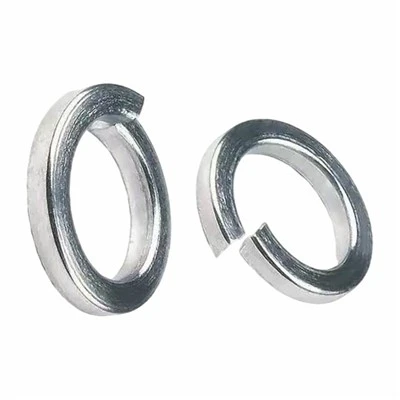
Zinc Plating
Zinc plating is one of the most common surface treatments for structural nuts. It involves depositing a layer of zinc onto the surface of the nut through an electro – chemical process. This thin zinc layer acts as a sacrificial anode, meaning it corrodes preferentially to the base metal of the nut.
The main advantage of zinc plating is its excellent corrosion resistance, especially in mild to moderate environments. For example, in indoor applications or environments with low humidity, zinc – plated nuts can last for a long time without significant rusting. Another benefit is its cost – effectiveness. Zinc is a relatively inexpensive metal, and the plating process is well – established and efficient, making it an affordable option for mass – produced structural nuts.
There are different types of zinc plating, including electro – zinc plating and hot – dip galvanizing. Electro – zinc plating provides a smoother and more uniform finish, which is suitable for applications where aesthetics are important. Hot – dip galvanizing, on the other hand, involves dipping the nuts into a bath of molten zinc. This results in a thicker and more durable zinc coating, which is ideal for outdoor applications or in highly corrosive environments such as near the sea or in industrial areas with high levels of pollutants.
Cadmium Plating
Cadmium plating was once a popular surface treatment for structural nuts, especially in the aerospace and military industries. It offers superior corrosion resistance, even in harsh marine environments. Cadmium has a low coefficient of friction, which can be beneficial in applications where the nut needs to be tightened or loosened frequently.
However, cadmium is a highly toxic metal, and its use has been restricted in many countries due to environmental and health concerns. The production and disposal of cadmium – plated products require strict environmental controls, which increase the cost and complexity of using this surface treatment. As a result, many industries are now looking for alternative surface treatments to replace cadmium plating.
Phosphate Coating
Phosphate coating is a conversion coating process where a phosphate compound is formed on the surface of the nut. This coating provides a porous surface that can hold lubricants, enhancing the nut’s anti – seizure properties. Phosphate coatings are often used in combination with oil or wax to further improve corrosion resistance.
One of the key advantages of phosphate coating is its excellent adhesion to the base metal. This coating can conform to the shape of the nut, providing a uniform and reliable protective layer. Phosphate – coated nuts are commonly used in automotive and machinery applications, where they need to resist galling and seizing during assembly and disassembly.
Passivation
Passivation is a chemical treatment process used mainly for stainless – steel structural nuts. Stainless steel contains chromium, which forms a thin, invisible oxide layer on the surface when exposed to oxygen. Passivation involves using a chemical solution, usually nitric acid or citric acid, to remove free iron and other contaminants from the surface of the stainless – steel nut, allowing the chromium oxide layer to reform more uniformly.
The main benefit of passivation is to enhance the corrosion resistance of stainless – steel nuts. By removing surface contaminants, the passivation process helps prevent the formation of rust and other forms of corrosion. Passivated stainless – steel nuts are commonly used in high – end applications, such as in the food and beverage industry, medical equipment, and architectural structures, where corrosion resistance and hygiene are crucial.
Organic Coatings
Organic coatings, such as epoxy, polyurethane, and acrylic coatings, are increasingly being used for structural nuts. These coatings provide a high level of corrosion resistance and can also offer additional benefits such as color customization and improved aesthetics.
Epoxy coatings, for example, are known for their excellent adhesion and chemical resistance. They can form a tough and durable protective layer on the nut surface, which is suitable for both indoor and outdoor applications. Polyurethane coatings, on the other hand, offer good abrasion resistance and flexibility, making them ideal for applications where the nuts may be subject to mechanical stress or vibration.
Choosing the Right Surface Treatment
When it comes to selecting the appropriate surface treatment for structural nuts, several factors need to be considered.
Environmental Conditions
The first and most important factor is the environment in which the nuts will be used. If the nuts will be exposed to high humidity, salt water, or chemicals, a highly corrosive – resistant surface treatment such as hot – dip galvanizing or a high – performance organic coating may be required. In a clean, indoor environment, a more cost – effective option like zinc – plating or phosphate coating may be sufficient.
Application Requirements
The specific requirements of the application also play a crucial role. For example, if the nuts need to be tightened and loosened frequently, a surface treatment with good anti – seizure properties, such as phosphate coating, would be beneficial. If aesthetics are a concern, a smooth and uniform finish provided by electro – zinc plating or a colored organic coating may be preferred.
Cost
Cost is always a consideration in any manufacturing process. While some surface treatments, such as cadmium plating or high – end organic coatings, may offer superior performance, they can also be more expensive. It’s important to balance the cost with the required performance to find the most cost – effective solution.
Conclusion

Surface treatment of structural nuts is a complex but essential aspect of their manufacturing. Each type of surface treatment has its own unique advantages and disadvantages, and the right choice depends on a variety of factors, including environmental conditions, application requirements, and cost. As a trusted structural nuts supplier, I am committed to providing high – quality nuts with appropriate surface treatments to meet the diverse needs of my clients.
Bolts If you are in need of structural nuts and want to discuss the best surface treatment options for your specific application, I encourage you to contact me. I have a wealth of experience and expertise in this field, and I’m happy to help you make an informed decision. Let’s work together to find the perfect structural nuts solution for your project.
References
- Metals Handbook: Properties and Selection: Irons, Steels, and High – Performance Alloys, ASM International
- Corrosion Basics: An Introduction, NACE International
- Surface Engineering for Corrosion and Wear Resistance, Woodhead Publishing Limited
Handan Jihao Fastener Co., Ltd.
We’re known as one of the most professional structural nuts manufacturers and suppliers in China. With abundant experience, we warmly welcome you to wholesale customized structural nuts made in China here from our factory. If you have any enquiry about cooperation, please feel free to email us.
Address: A2, Row 31, Feiyu Screw World, Hebei Pu, Linmengguan Town, Yongnian District, Handan City, Hebei Province
E-mail: wenzhaona0@gmail.com
WebSite: https://www.chinaboltnut.com/
