Pyrite, commonly known as “fool’s gold,” is a fascinating mineral with a significant role in inorganic chemical systems. As a leading supplier of inorganic chemicals and pyrite-related products, I’ve witnessed first-hand the diverse ways pyrite interacts with metals. In this blog, I’ll delve into these interactions, exploring their mechanisms, implications, and practical applications. Inorganic Chemicals- Pyrite-related Products

The Chemical Nature of Pyrite
Pyrite has a chemical formula of FeS₂. Structurally, it consists of iron (Fe) cations and disulfide (S₂²⁻) anions. The disulfide ions are held together by a covalent bond, and the overall structure is cubic. This unique structure gives pyrite its characteristic metallic luster and hardness.
The iron in pyrite is in the +2 oxidation state. The disulfide group is a relatively stable entity, but under certain conditions, it can participate in redox reactions. These redox reactions are the key to understanding how pyrite interacts with other metals in inorganic chemical systems.
Redox Reactions with Metals
One of the most common ways pyrite interacts with metals is through redox reactions. Pyrite can act as both an oxidizing and reducing agent, depending on the reaction conditions and the nature of the other metal involved.
Oxidation of Metals by Pyrite
In the presence of oxygen and water, pyrite can oxidize certain metals. For example, when pyrite is in contact with copper, the following reaction can occur:
[2FeS₂ + 7O₂ + 2H₂O → 2FeSO₄ + 2H₂SO₄]
The sulfuric acid produced in this reaction can then react with copper:
[Cu + H₂SO₄ → CuSO₄ + H₂↑]
This process is known as acid mine drainage when it occurs in mining environments. The oxidation of pyrite releases sulfuric acid, which can leach metals from surrounding rocks and soil, leading to environmental contamination.
Reduction of Metal Ions by Pyrite
On the other hand, pyrite can also reduce metal ions. For instance, pyrite can reduce hexavalent chromium (Cr(VI)) to trivalent chromium (Cr(III)):
[FeS₂ + 14Cr(VI) + 20H⁺ → Fe³⁺ + 2SO₄²⁻ + 14Cr³⁺ + 10H₂O]
This reaction is of great environmental significance because Cr(VI) is highly toxic and carcinogenic, while Cr(III) is relatively less toxic. Pyrite can be used as a natural reducing agent to remediate Cr(VI)-contaminated soils and groundwater.
Complexation Reactions
Pyrite can also form complexes with metals. The sulfur atoms in pyrite can act as ligands, donating electron pairs to metal ions to form coordination complexes.
Complexation with Heavy Metals
Heavy metals such as mercury (Hg), lead (Pb), and cadmium (Cd) can form complexes with pyrite. For example, mercury can react with pyrite to form mercury sulfide (HgS) complexes:
[Hg²⁺ + FeS₂ → HgS + Fe²⁺ + S]
These complexes are often more stable and less soluble than the free metal ions, which can reduce the mobility and bioavailability of heavy metals in the environment.
Implications for Metal Recovery
The complexation reactions of pyrite with metals have important implications for metal recovery. In hydrometallurgical processes, pyrite can be used to selectively precipitate metals from solutions. For example, in the recovery of gold from ore, pyrite can adsorb gold ions through complexation, and then the gold can be separated from the pyrite by further processing.
Catalytic Effects
Pyrite can also act as a catalyst in some metal-related reactions. The surface of pyrite provides active sites for chemical reactions to occur.
Catalysis of Metal Oxidation
Pyrite can catalyze the oxidation of some metals. For example, it can enhance the oxidation rate of manganese (Mn) in water. The presence of pyrite can activate oxygen molecules, making them more reactive towards Mn oxidation.
[2Mn²⁺ + O₂ + 2H₂O → 2MnO₂ + 4H⁺]
This catalytic effect is beneficial in water treatment processes, where the oxidation of Mn is necessary to remove it from water.
Influence on Metal Corrosion
In metal corrosion processes, pyrite can have a dual effect. On one hand, it can accelerate the corrosion of some metals by providing a conductive path for electron transfer. On the other hand, in some cases, the formation of corrosion products on the pyrite surface can passivate the metal, reducing the corrosion rate.
Applications in the Inorganic Chemical Industry
The interactions between pyrite and metals have numerous applications in the inorganic chemical industry.
Sulfuric Acid Production
Pyrite is a major raw material for sulfuric acid production. During the roasting process, pyrite reacts with oxygen to form sulfur dioxide (SO₂), which is then further oxidized to sulfur trioxide (SO₃) and finally absorbed in water to produce sulfuric acid:
[4FeS₂ + 11O₂ → 2Fe₂O₃ + 8SO₂]
[2SO₂ + O₂ ⇌ 2SO₃]
[SO₃ + H₂O → H₂SO₄]
Sulfuric acid is one of the most important industrial chemicals, used in a wide range of industries, including fertilizers, metals processing, and petrochemicals.
Metal Extraction and Recycling
As mentioned earlier, pyrite’s interactions with metals can be used for metal extraction and recycling. In mining, pyrite can be used to enhance the recovery of valuable metals such as gold, copper, and silver. In recycling processes, pyrite can help separate and purify metals from waste materials.
Environmental Considerations
While pyrite has many useful applications, its interactions with metals can also have negative environmental impacts.
Acid Mine Drainage
As described above, the oxidation of pyrite can lead to acid mine drainage. This acidic water can contaminate surface water and groundwater, causing damage to aquatic ecosystems and making water unfit for human use. To mitigate this problem, various treatment methods, such as the addition of alkaline substances and the use of constructed wetlands, have been developed.
Heavy Metal Pollution
The complexation and leaching of heavy metals by pyrite can also contribute to heavy metal pollution. When pyrite-containing rocks are exposed to the environment, heavy metals can be released into the soil and water. To prevent and remediate heavy metal pollution, it is important to understand the interactions between pyrite and metals and develop appropriate management strategies.
Conclusion
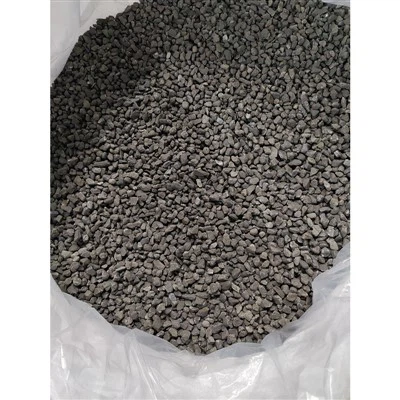
The interactions between pyrite and metals in inorganic chemical systems are complex and diverse. Through redox reactions, complexation reactions, and catalytic effects, pyrite can have a significant impact on metal behavior in various environments. These interactions have both positive and negative implications, with wide applications in the inorganic chemical industry as well as important environmental considerations.
Pyrite Powder- Abrasive Disc Filler As a supplier of inorganic chemicals and pyrite-related products, I understand the importance of these interactions for our customers. Whether you are in the mining, chemical, or environmental sectors, our high-quality pyrite products can meet your specific needs. If you are interested in learning more about our products or discussing potential applications, I encourage you to contact me for further information and procurement discussions.
References
- Jambor, J.L., & Blowes, D.W. (1998). Occurrence and stability of supergene iron sulfates in acid mine drainage environments. International Geology Review, 40(10), 959-974.
- Nordstrom, D.K., & Alpers, C.N. (1999). Geochemistry of acid mine waters. In Environmental Aspects of Metals and Metalloids in Soils (pp. 3-31). Springer, Dordrecht.
- Sherman, D.M., & Randall, D.L. (2003). The effects of mineralogy on the fate and transport of metals in acid mine drainage. Chemical Geology, 195(1-2), 185-206.
Yunfu Fuliu Mineral Materials Co., Ltd.
We are one of the most reliable inorganic chemicals- pyrite-related products suppliers in China, specialized in providing high quality customized products. Welcome to wholesale bulk inorganic chemicals- pyrite-related products in stock here from our factory. If you have any enquiry about free sample, please feel free to email us.
Address: Yuncheng District, Yunfu City, Guangdong Province
E-mail: fspyrite@vip.126.com
WebSite: https://www.fuliupyrite.com/
