Hey there, folks! As a supplier of resistance furnaces, I get this question a lot: “Can a resistance furnace be used for annealing metals?” Today, I’m gonna break it all down for you in plain English. Resistance Furnace
Let’s start with the basics. First off, what the heck is annealing? Well, annealing is a heat – treatment process used on metals. The main goals are to reduce hardness, increase ductility, relieve internal stresses, and improve the grain structure of the metal. When you anneal a metal, it becomes easier to machine, form, and weld.
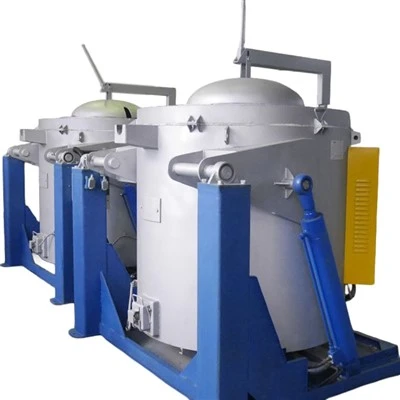
Now, let’s talk about resistance furnaces. A resistance furnace is a type of furnace that uses electrical resistance to generate heat. Inside the furnace, an electric current passes through a resistive material, like a heating element. This causes the material to heat up, and the heat is then transferred to the metal placed inside the furnace.
So, can you use a resistance furnace for annealing metals? The short answer is yes! Resistance furnaces are actually a great choice for annealing metals, and here’s why.
Precise Temperature Control
One of the biggest advantages of using a resistance furnace for annealing is the precise temperature control it offers. During the annealing process, different metals require specific temperature profiles. For example, steel usually needs to be heated to a temperature between 700 – 900 degrees Celsius (1292 – 1652 degrees Fahrenheit), depending on its composition. With a resistance furnace, you can set and maintain the exact temperature you need with high accuracy. You can use digital controllers to program the temperature ramp – up rate, the holding time at the annealing temperature, and the cooling rate. This level of control is crucial because if the temperature is too high or too low, or if the cooling is too fast or too slow, it can lead to poor annealing results, like uneven grain structure or residual stresses in the metal.
Uniform Heating
Another key benefit of resistance furnaces is their ability to provide uniform heating. The heating elements in a well – designed resistance furnace are arranged in a way that distributes the heat evenly throughout the furnace chamber. This means that all parts of the metal being annealed are heated to the same temperature at the same time. Uniform heating is essential for achieving consistent annealing results across the entire metal piece. If some parts of the metal are heated more than others, it can cause uneven softening and mechanical properties, which is a big no – no in most applications.
Versatility
Resistance furnaces are incredibly versatile. They can be used to anneal a wide variety of metals, including steel, aluminum, copper, and brass. Different metals have different annealing requirements, but a good resistance furnace can be adjusted to meet those needs. You can change the temperature settings, the atmosphere inside the furnace (some metals require an inert or reducing atmosphere during annealing to prevent oxidation), and the heating and cooling rates to suit the specific metal you’re working with.
Cost – Effective
In the long run, using a resistance furnace for annealing is cost – effective. While the initial investment in a resistance furnace might be a bit high, the operating costs are relatively low. Resistance furnaces are energy – efficient because they convert a high percentage of the electrical energy into heat. Also, since they offer precise control and uniform heating, there’s less waste due to poor annealing results. You’re less likely to have to scrap parts that didn’t anneal properly, which saves you money in the long run.
How to Use a Resistance Furnace for Annealing
Now that we’ve established that a resistance furnace can be used for annealing metals, let’s quickly go over how to use one.
First, you need to prepare your metal. This might involve cleaning it to remove any dirt, grease, or oxides on the surface. Oxides can interfere with the annealing process and cause uneven heating.
Next, place the metal inside the furnace. Make sure it’s positioned in a way that allows for good heat transfer. You might want to use fixtures or supports to hold the metal in place.
Then, set the temperature and time parameters according to the annealing requirements of your metal. As I said earlier, different metals have different optimal temperatures and holding times.
Once the furnace reaches the set temperature, let the metal soak for the specified time. This allows the internal structure of the metal to change and reach a more stable state.
After the soaking period, it’s time to cool the metal. The cooling rate is also an important factor in annealing. Some metals need to be cooled slowly in the furnace, while others can be cooled in air or quenched in a specific medium.
Real – World Examples
Let’s look at a few real – world scenarios where resistance furnaces are used for annealing metals.
In the automotive industry, resistance furnaces are used to anneal steel components like gears and shafts. These parts need to be annealed to improve their machinability and reduce internal stresses before further processing. The precise temperature control of a resistance furnace ensures that the annealing process is consistent and produces high – quality parts.
In the electronics industry, copper and aluminum wires are often annealed using resistance furnaces. Annealing these wires makes them more ductile, which is important for bending and forming them into different shapes during the manufacturing of electronic devices.
Conclusion
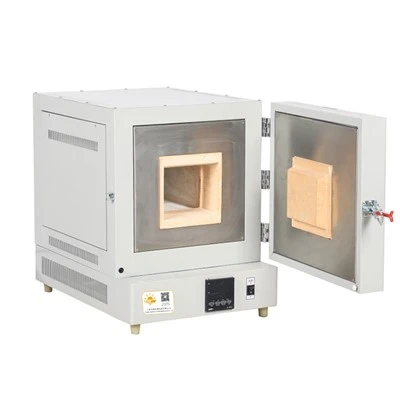
So, there you have it! A resistance furnace is an excellent choice for annealing metals. With its precise temperature control, uniform heating, versatility, and cost – effectiveness, it can meet the annealing needs of a wide range of industries.
Annealing Furnace If you’re in the market for a resistance furnace for your annealing processes, I’d love to have a chat with you. Whether you’re a small workshop looking to anneal a few parts or a large – scale manufacturing plant in need of high – volume annealing, we’ve got the right solution for you. Reach out to us to start a discussion about your specific requirements and how our resistance furnaces can help you achieve the best annealing results.
References
- "Heat Treatment of Metals: Principles and Techniques" by George E. Totten and David Scott MacKenzie
- "Metallurgy for the Non – Metallurgist" by John R. Davis
Danyang Dingfeng Industrial Furnace Co., Ltd.
Danyang Dingfeng Industrial Furnace Co., Ltd. is one of the most experienced resistance furnace manufacturers and suppliers in China, also supports customized service with low price. Please feel free to wholesale high quality resistance furnace made in China here from our factory. For pricelist, contact us now.
Address: Lizhuang Economic Development Zone, Danyang City
E-mail: saleszk@dffurnace.com
WebSite: https://www.dffurnace.com/
