Paint protection film (PPF), a remarkable innovation in the automotive and other industries, offers a robust shield against a variety of threats, including chemical stains. As a supplier of high – quality paint protection film, I’ve witnessed firsthand the transformative power of this product. In this blog post, I’ll delve into the science behind how paint protection film safeguards surfaces from chemical stains. Paint Protection Film

The Composition of Paint Protection Film
To understand how PPF protects against chemical stains, we first need to explore its composition. High – end paint protection films are typically made of a multi – layer structure. The top layer, often referred to as the clear coat, is engineered to be highly resistant to environmental contaminants. It is composed of polymers that have been specifically formulated to create a tough, yet flexible barrier.
The base layer of the PPF is usually made of a thermoplastic urethane (TPU) material. TPU is renowned for its excellent mechanical properties, including high tensile strength and abrasion resistance. This layer provides the structural integrity of the film and also contributes to its ability to resist chemical attacks.
The adhesive layer is the part that bonds the PPF to the surface, whether it’s a car’s paint, a boat’s hull, or the surface of electronic devices. A high – quality adhesive is crucial as it must maintain a strong bond under various environmental conditions while also being removable without leaving any residue. This layer also acts as an additional barrier, preventing chemicals from seeping through to the protected surface.
How PPF Resists Chemicals at the Molecular Level
At the molecular level, the polymers in the clear coat and TPU base layer of the PPF interact with chemicals in a way that prevents staining. Polymers are large molecules made up of repeating subunits. The structure of these polymers can be adjusted to make them less reactive with common chemicals.
For example, when a chemical substance comes into contact with the PPF, the tightly packed polymer chains in the clear coat act as a physical barrier. The intermolecular forces between the polymer chains are strong enough to prevent the chemicals from penetrating the surface of the film. These polymers have a high degree of cross – linking, which means that the chains are connected to each other in multiple places. This cross – linking creates a dense network that can block the entry of chemical molecules.
Moreover, the chemical nature of the polymers can be engineered to be hydrophobic, which means they repel water and water – based chemicals. Many chemical stains are carried in water – based solutions, such as acid rain or road salts dissolved in water. The hydrophobic nature of the PPF surface causes these solutions to bead up and roll off, reducing the chances of the chemicals coming into prolonged contact with the surface and causing stains.
Protection Against Common Chemical Stains
Let’s take a look at some of the most common chemical stains and how PPF protects against them.
Acid Rain
Acid rain contains sulfuric acid and nitric acid, which can etch and stain car paint over time. When acid rain hits a surface protected by PPF, the clear coat’s polymer structure resists the acidic attack. The hydrophobic properties of the PPF cause the acid rain droplets to bead up, minimizing the surface area of contact between the acid and the film. Additionally, the TPU base layer provides a secondary line of defense, ensuring that even if a small amount of acid manages to penetrate the clear coat, it won’t reach the paint beneath.
Bird Droppings
Bird droppings are another common source of chemical stains. They contain uric acid, which can be highly corrosive to car paint. PPF acts as a sacrificial layer, taking the brunt of the chemical reaction with the bird droppings. The smooth surface of the PPF makes it easier to clean off the droppings, and the protective layers prevent the acid from reaching the paint and causing permanent damage.
Road Salts
In regions where road salts are used during the winter, cars are at risk of salt – related corrosion and staining. Road salts, mainly sodium chloride, can react with the metal and paint of a vehicle. PPF creates a barrier between the car’s surface and the road salts, preventing the salts from coming into direct contact with the paint. The film’s resistance to water and chemicals ensures that the salts are washed away during normal car washes, without leaving any corrosive residue on the paint.
The Self – Healing Property and Chemical Stain Resistance
One of the most remarkable features of many high – quality paint protection films is their self – healing property. This property is closely related to the film’s ability to resist chemical stains.
The self – healing mechanism is based on the thermoplastic nature of the TPU material in the base layer. When the film is scratched or damaged by a chemical, the heat from the sun or the friction during cleaning causes the polymer chains in the TPU to become more mobile. These chains then realign themselves, filling in the scratches and restoring the surface of the film.
This self – healing process is also beneficial in the context of chemical stains. If a chemical causes a minor discoloration or damage to the surface of the PPF, the self – healing property can often reverse the effect. The realignment of the polymer chains can push out or break down the chemical molecules that have caused the stain, restoring the original appearance of the film and maintaining its protective function.
Case Studies: Real – World Examples of PPF Protecting Against Chemical Stains
We’ve installed our paint protection film on a wide range of vehicles and surfaces, and the results speak for themselves.
One of our clients owned a luxury sports car and lived in an area prone to acid rain. After installing our PPF on the car, the paint remained in pristine condition despite the frequent exposure to acid rain. In contrast, a similar car without PPF in the same area developed visible etching and staining on the paint within a year.
Another client ran a boat rental business. The boats were constantly exposed to saltwater, which can cause serious corrosion and staining. By applying our PPF to the hulls of the boats, they were able to reduce the maintenance costs significantly. The film prevented the saltwater from causing any long – term damage to the boat’s paint, and the boats always looked new, enhancing their market appeal.
The Importance of Quality PPF for Chemical Stain Protection
Not all paint protection films are created equal when it comes to protecting against chemical stains. Low – quality PPF may not have the proper polymer formulation or the right level of cross – linking in the clear coat. This can result in a film that is more susceptible to chemical penetration and staining.
As a reputable PPF supplier, we ensure that our products undergo rigorous testing to meet the highest standards of chemical resistance. Our R & D team is constantly working on improving the film’s composition to enhance its protective capabilities. We use only the best raw materials and state – of – the – art manufacturing processes to produce PPF that offers long – lasting protection against chemical stains.
Conclusion and Call to Action
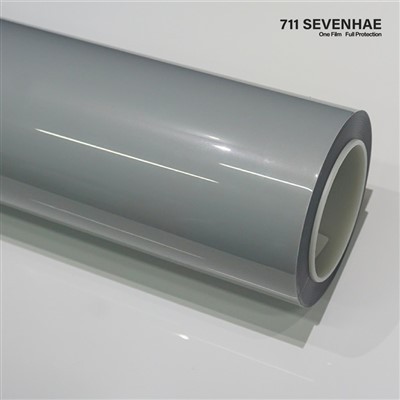
In conclusion, paint protection film is a highly effective solution for protecting surfaces from chemical stains. Its unique composition, including the clear coat, TPU base layer, and adhesive layer, creates a multi – layer defense against chemical threats. The self – healing property further enhances its ability to maintain its protective function over time.
Paint Protection Film If you’re looking for a reliable way to protect your vehicles, boats, or other valuable assets from chemical stains, our paint protection film is the ideal choice. Our team of experts is ready to assist you in choosing the right PPF for your specific needs. Contact us today to start a conversation about how we can help you safeguard your investments.
References
- “The Chemistry of Polymer Coatings,” by John Wiley & Sons.
- “Thermoplastic Urethane Elastomers: Science and Technology,” edited by Henry Hsieh.
Nanjing Qiyihe Environmental Protection Technology Co., Ltd.
As one of the leading paint protection film manufacturers and suppliers in China, we offer a wide range of products with superior quality. We warmly welcome you to wholesale customized paint protection film made in China here from our factory. If you have any enquiry about free sample, please feel free to email us.
Address: No. 36 Guangyue Road, Qixia District, Nanjing City, Jiangsu Province
E-mail: 711sevenhae@gmail.com
WebSite: https://www.711sevenhae.com/
