As a supplier in the medical bandage industry, I’ve often encountered inquiries from customers about the expiration of medical bandages. This seemingly simple question is crucial, as it directly impacts the safety and effectiveness of these essential medical products. In this blog, I’ll delve into the science behind medical bandage expiration, factors influencing it, and why it matters. Medical Bandage
The Science of Medical Bandage Expiration
Medical bandages are not just simple strips of cloth or material. They are carefully designed and manufactured to perform specific functions such as covering wounds, providing compression, and preventing infection. Over time, the materials used in bandages can undergo various physical and chemical changes, which can compromise their performance.
One of the primary factors contributing to the expiration of medical bandages is the degradation of the materials. For example, bandages made of natural fibers like cotton can be susceptible to microbial growth, mold, and mildew, especially if stored in a humid environment. These microorganisms can not only cause the bandage to smell bad but also pose a risk of infection if applied to a wound.
Synthetic materials used in bandages, such as polyester and nylon, are generally more resistant to microbial growth. However, they can still degrade over time due to exposure to light, heat, and oxygen. UV radiation from sunlight can break down the chemical bonds in synthetic polymers, causing the bandage to become brittle and lose its elasticity. Heat and oxygen can also accelerate the oxidation process, leading to discoloration and a reduction in the bandage’s strength.
In addition to material degradation, the adhesives used in adhesive bandages can also expire. The adhesive properties of the bandage rely on the chemical interaction between the adhesive and the skin. Over time, the adhesive can dry out, lose its stickiness, or become more difficult to remove from the skin. This can make the bandage less effective in securing the wound and may even cause skin irritation or damage when removed.
Factors Influencing Medical Bandage Expiration
- Storage Conditions
The way medical bandages are stored plays a significant role in their expiration. Bandages should be stored in a cool, dry place away from direct sunlight, heat sources, and humidity. Exposure to high temperatures can accelerate the degradation process, while high humidity can promote microbial growth. For example, storing bandages in a bathroom cabinet near a hot water heater or in a vehicle during the summer months can significantly reduce their shelf life. - Packaging
The packaging of medical bandages is designed to protect them from external factors and maintain their quality. Well-sealed packaging can prevent moisture, oxygen, and light from reaching the bandage, thus extending its shelf life. However, if the packaging is damaged or opened, the bandage is exposed to the environment and is more likely to expire prematurely. - Material Composition
Different materials used in medical bandages have different expiration dates. As mentioned earlier, natural fibers are more prone to microbial growth and degradation compared to synthetic materials. Bandages with additional features such as antimicrobial agents or moisture-wicking properties may also have different expiration times due to the stability of these added components. - Manufacturing Process
The quality of the manufacturing process can also affect the expiration of medical bandages. Bandages that are produced under strict quality control measures are more likely to have a longer shelf life. For example, proper sterilization during manufacturing can reduce the risk of microbial contamination and increase the bandage’s durability.
Why Medical Bandage Expiration Matters
- Safety and Efficacy
Using expired medical bandages can pose serious risks to patients. As the materials degrade, the bandage may not provide adequate protection or support to the wound. It may also increase the risk of infection due to the growth of microorganisms on the bandage. In addition, expired adhesives may not stick properly, causing the bandage to come off easily and expose the wound to further contamination. - Regulatory Compliance
In many countries, there are strict regulations regarding the expiration dates of medical products, including bandages. Healthcare providers and facilities are required to follow these regulations to ensure the safety and quality of the products they use. As a supplier, it is our responsibility to provide accurate expiration dates and ensure that our products meet the relevant regulatory standards. - Customer Satisfaction
Providing customers with high-quality, non-expired medical bandages is essential for maintaining their trust and satisfaction. Customers rely on these products to treat their injuries and expect them to work effectively. By ensuring that our bandages are within their expiration dates, we can help our customers achieve better treatment outcomes and build long-term relationships with them.
How to Determine if a Medical Bandage is Expired
Most medical bandages come with an expiration date printed on the packaging. It is important to check this date before using the bandage. If the expiration date has passed, the bandage should not be used.
In addition to the expiration date, there are also some visual and physical signs that can indicate if a bandage has expired. For example, if the bandage appears discolored, has a strange odor, or feels brittle or sticky, it may be a sign that the material has degraded and the bandage should be discarded.
Our Commitment as a Medical Bandage Supplier
As a medical bandage supplier, we understand the importance of providing high-quality, non-expired products to our customers. We have strict quality control measures in place throughout the manufacturing process to ensure that our bandages meet the highest standards of safety and efficacy.
We also pay close attention to the storage and transportation of our products. Our bandages are stored in a controlled environment to prevent exposure to heat, humidity, and light. During transportation, we use appropriate packaging and shipping methods to ensure that the products arrive at our customers’ locations in good condition.
In addition, we regularly review and update our expiration dates based on the latest scientific research and industry standards. We provide clear and accurate information about the expiration dates of our products to our customers, so they can make informed decisions when purchasing and using our bandages.
Contact Us for Procurement
If you are in the market for high-quality medical bandages, we would love to hear from you. Our team of experts is dedicated to providing the best products and services to meet your needs. Whether you are a healthcare provider, a distributor, or a retailer, we have the right solutions for you.
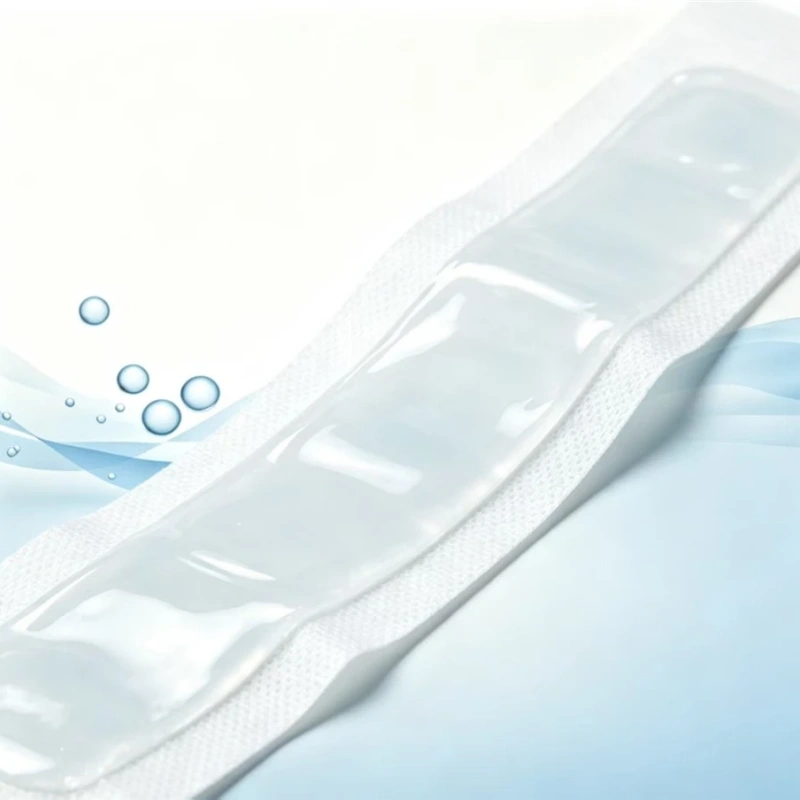
We offer a wide range of medical bandages, including adhesive bandages, gauze pads, elastic bandages, and more. All our products are made from top-quality materials and are manufactured under strict quality control measures. We also offer competitive prices and flexible delivery options to ensure that you get the products you need when you need them.
Fever Cooling Patch To learn more about our products or to discuss your procurement needs, please contact our sales team. We look forward to working with you and helping you provide the best care for your patients.
References
- Medical Device Packaging: Principles and Practices, Third Edition, by Chandler, David B.; Brown, James D.
- Handbook of Materials for Medical Devices, by Ratner, Buddy D.; Hoffman, Allan S.; Schoen, F. Joachim; Lemons, Jeffrey E.
- The Science and Technology of Medical Polymers, by Park, Jae M.; Lakes, Roger S.
Anhui Meikangning Biotechnology Co., Ltd.
As one of the most professional medical bandage manufacturers and suppliers in China, we’re featured by quality products and good price. We warmly welcome you to buy customized medical bandage made in China here from our factory. If you have any enquiry about pricelist, please feel free to email us.
Address: Room 3-1, Building 7, Guojiaomei Industrial Park, Chengbei Town, Jin’an District, Lu’an City, Anhui Province, P.R.China
E-mail: M13957922968@163.com
WebSite: https://www.meikangningbio.com/
