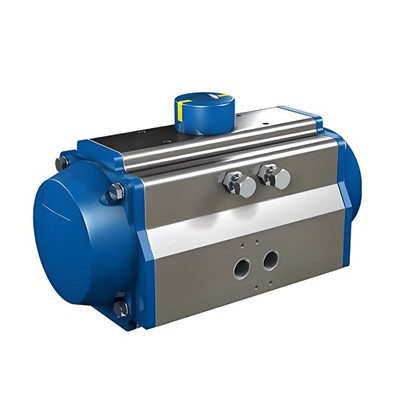
As a supplier of floating ball valves, I’ve had the privilege of delving deep into the intricacies of these remarkable devices. Floating ball valves are widely used in various industries due to their excellent sealing performance and reliable operation. In this blog, I’ll explore the flow characteristics of floating ball valves, providing insights into how they function and why they are a preferred choice for many applications. Floating Ball Valve
Understanding the Basics of a Floating Ball Valve
Before we dive into the flow characteristics, let’s briefly review the basic structure of a floating ball valve. A floating ball valve consists of a ball, a stem, and two seats. The ball is the core component, which has a through – hole in the middle. When the valve is open, the through – hole aligns with the pipeline, allowing fluid to flow through. When the valve is closed, the ball rotates 90 degrees, and the solid part of the ball blocks the pipeline, preventing fluid flow.
The term "floating" refers to the ball’s ability to move slightly within the valve body. When the valve is under pressure, the ball is pushed against the downstream seat, creating a tight seal. This design feature is crucial for achieving excellent sealing performance.
Flow Characteristics in the Open Position
When a floating ball valve is fully open, the flow characteristic is similar to that of a straight pipe. The through – hole in the ball has a diameter close to the inner diameter of the pipeline, resulting in a low pressure drop. This low pressure drop is highly desirable in many applications, as it reduces energy consumption and allows for efficient fluid transfer.
The flow pattern in an open floating ball valve is relatively smooth. The fluid flows through the valve in a straight line, with minimal turbulence. This smooth flow is beneficial for applications where the quality of the fluid needs to be maintained, such as in the pharmaceutical and food industries.
The flow coefficient (Cv) of a floating ball valve is an important parameter that indicates its flow capacity. A higher Cv value means that the valve can pass more fluid under a given pressure difference. Floating ball valves typically have high Cv values, making them suitable for applications that require large flow rates.
Flow Characteristics during Opening and Closing
During the opening and closing process, the flow characteristics of a floating ball valve change significantly. As the valve starts to open, the flow area gradually increases. Initially, the fluid flow is restricted, and the pressure drop across the valve is relatively high. As the ball rotates further, the flow area approaches the full – open state, and the pressure drop decreases.
Conversely, when the valve is closing, the flow area decreases. The fluid flow becomes more restricted, and the pressure drop across the valve increases. This change in flow characteristics during opening and closing needs to be carefully considered in applications where sudden changes in pressure or flow rate can cause problems.
For example, in a pipeline system with sensitive equipment, a rapid change in flow rate during valve closing can lead to water hammer, which can damage the pipeline and equipment. To mitigate this issue, some floating ball valves are designed with a slow – closing mechanism to reduce the impact of sudden flow changes.
Flow Characteristics under Different Pressure Conditions
The flow characteristics of a floating ball valve are also affected by the pressure conditions in the pipeline. Under normal operating pressures, the floating ball valve can maintain a good seal and provide a stable flow. However, when the pressure is extremely high or low, the performance of the valve may be affected.
At high pressures, the force exerted on the ball increases, pushing it more firmly against the seat. This can enhance the sealing performance but may also increase the torque required to operate the valve. In some cases, special materials and designs are needed to ensure the valve can withstand high – pressure conditions.
At low pressures, the sealing performance of the floating ball valve may be compromised. The ball may not be pushed firmly enough against the seat, resulting in leakage. To address this issue, some floating ball valves are equipped with additional sealing mechanisms, such as spring – loaded seats, to ensure a tight seal even at low pressures.
Flow Characteristics in Different Fluids
The flow characteristics of a floating ball valve can vary depending on the type of fluid being transported. Different fluids have different viscosities, densities, and chemical properties, which can affect the valve’s performance.
For example, in a pipeline carrying a highly viscous fluid, such as oil, the flow resistance is higher compared to a low – viscosity fluid like water. This means that the pressure drop across the valve will be greater, and the flow rate may be lower. In such cases, a larger – sized valve or a valve with a higher Cv value may be required to achieve the desired flow rate.
In addition, some fluids may be corrosive or abrasive. Corrosive fluids can damage the valve’s internal components, such as the ball and seats, while abrasive fluids can cause wear and tear. To ensure the long – term performance of the valve, appropriate materials need to be selected based on the fluid’s properties. For example, for corrosive fluids, valves made of stainless steel or other corrosion – resistant materials are often used.
Advantages of Floating Ball Valves in Terms of Flow
Floating ball valves offer several advantages in terms of flow characteristics. Firstly, their low pressure drop design allows for efficient fluid transfer, reducing energy consumption. This is particularly important in large – scale industrial applications where energy costs are a significant concern.
Secondly, the smooth flow pattern in an open floating ball valve helps to maintain the quality of the fluid. This is crucial in industries such as pharmaceuticals and food, where any contamination or turbulence in the fluid can affect the final product.
Thirdly, the ability of floating ball valves to provide a tight seal under different pressure conditions ensures reliable operation. This is essential in applications where leakage can lead to safety hazards or environmental pollution.
Applications of Floating Ball Valves Based on Flow Characteristics
Due to their excellent flow characteristics, floating ball valves are widely used in a variety of industries. In the oil and gas industry, they are used in pipelines for transporting crude oil, natural gas, and refined products. Their low pressure drop and reliable sealing performance make them suitable for long – distance pipelines.
In the chemical industry, floating ball valves are used to control the flow of various chemicals. The ability to select appropriate materials based on the chemical properties of the fluid ensures the valve’s long – term durability.
In the water treatment industry, floating ball valves are used to regulate the flow of water in treatment plants and distribution systems. Their smooth flow pattern helps to maintain the quality of the treated water.
Conclusion and Call to Action
In conclusion, the flow characteristics of floating ball valves are complex and influenced by various factors such as valve position, pressure conditions, and fluid properties. Understanding these characteristics is essential for selecting the right valve for a specific application.
As a supplier of floating ball valves, we have extensive experience in providing high – quality valves that meet the diverse needs of our customers. Our valves are designed and manufactured to ensure excellent flow performance, reliable sealing, and long – term durability.
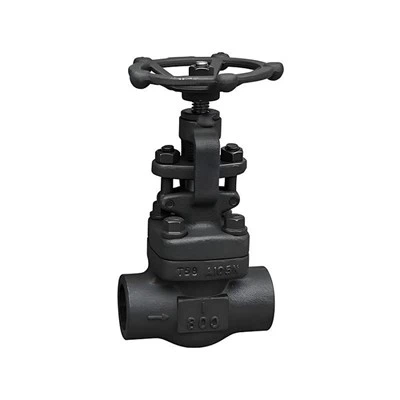
Globe Valve If you are looking for a floating ball valve for your application, we invite you to contact us for a detailed discussion. Our team of experts can help you select the most suitable valve based on your specific requirements. Whether you need a valve for a small – scale project or a large – scale industrial application, we have the solution for you.
References
- Miller, D. S. (1990). Internal Flow Systems. BHRA Fluid Engineering.
- Crane Co. (1988). Flow of Fluids Through Valves, Fittings and Pipe. Technical Paper No. 410.
- Walas, S. M. (1990). Chemical Process Equipment: Selection and Design. Butterworth – Heinemann.
Wuxi PYNOS Flow-tech Co., Ltd.
As one of the leading floating ball valve manufacturers and suppliers in China, we offer a wide range of products with superior quality. We warmly welcome you to buy high quality floating ball valve made in China here from our factory. We also accept customized orders.
Address: Sales Center: 7th Floor, No.19 Qingyuan RD, Wuxi City, Jiangsu Prov., China
E-mail: Info@pynosvalve.com
WebSite: https://www.pynosvalves.com/
