If you work in water treatment, you know how important it is to get the right valve for the job. I’ve been selling gate valves for years, and trust me—gate valves aren’t one-size-fits-all. A valve that works for a municipal water treatment plant’s raw water intake won’t cut it in a small wastewater treatment’s chemical feed line. Let me break down the most common types we supply, and when they make the most sense. Gate Valve
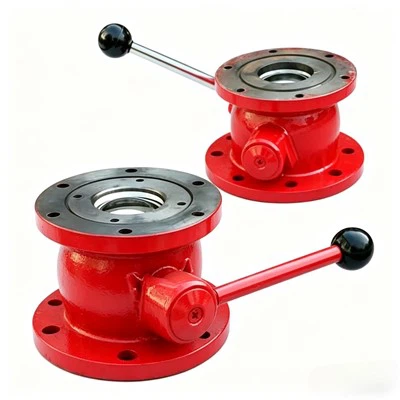
First, let’s start with what a gate valve does, just to cover the basics. Gate valves use a wedge-shaped gate to stop or let water flow—when it’s fully open, there’s almost no resistance, which is why they’re the go-to for big lines where you don’t want pressure loss. But there are different builds, and picking the wrong one can lead to leaks, clogs, or even costly shutdowns.
The first type I see all the time in water treatment is the solid wedge gate valve. This is the workhorse, plain and simple. Most of our industrial-grade solid wedge valves are made of ductile iron, which can handle the rough stuff—like raw water coming straight from a river or reservoir, where there’s silt, sediment, and maybe even small debris floating around. The solid gate fits tight against the seat, so it doesn’t get gummed up easily by minor particles. We sell these for main line applications—like the ones that run between the raw water pump station and the treatment building, or the finished water lines that head out to distribution. The thing to remember with solid wedges is that they work best in lines that don’t have big temperature swings. If your water treatment plant has to handle water that goes from cold winter temperatures to warm summer, a solid wedge might expand and bind a little. But for most steady municipal or industrial water systems, it’s perfect. We also make a rising stem version here—when you turn the handwheel, the stem goes up, so you can tell at a glance if the valve is open or closed. That’s a huge plus for plant operators who don’t want to guess if a valve’s engaged. No one wants to accidentally open a closed line and cause a flood, right?
Next up is the flexible wedge gate valve. This one’s for when temperature changes are a problem. The wedge isn’t solid—it’s a little spring-loaded, so it can flex to fit the seat even if the pipe expands or contracts. I’ve had customers come to me with solid wedge valves that were leaking in their seasonal groundwater lines, and switching to flexible wedge fixed that. These are also great for lines that carry chlorinated water or other mild chemicals, because we can line the body with EPDM or another chemical-resistant coating. Wait, no—actually, most flexible wedge valves for water treatment have a cast iron body with stainless steel stems, and the wedge is coated in a material that resists corrosion. Chlorine can eat away at uncoated metal over time, so that coating keeps the valve working longer. We use these in the treatment process lines—like where they add alum to flocculate the water, or where they disinfect with chlorine. The flexible wedge also seals better at partial opening? Wait, no—you shouldn’t use gate valves to throttle flow, but in water treatment, sometimes you have to adjust them a little to balance pressure. The flexible wedge handles that better than the solid one, because it doesn’t get stuck in a partially open position. That’s a common mistake operators make—using a gate valve as a control valve instead of a ball valve—but if they have to, flexible wedge is the safer pick.
Then there’s the parallel gate valve. This one has two parallel disks instead of a wedge, and they’re held together by a spring. It’s designed for low-pressure lines, but it’s super quick to open and close. I’ve seen these used in backwash lines for filters—you know, when the plant flushes out the sand or carbon filters, they need a valve that can open fast to let the dirty water out. Parallel gate valves don’t have to turn a hundred times like a solid wedge—you can spin the handwheel a few times and it’s open. But they don’t seal as tight as wedge valves, so you can’t use them for lines that need zero leakage, like finished water lines. Also, they’re more prone to sticking if there’s a lot of sediment, so you only want to use them in lines that are cleaner, or where you’re opening and closing them frequently. We sell a lot of these for filter backwash and sludge lines, because that’s exactly what those jobs call for.
Wait, let’s not forget about the non-rising stem gate valve. A lot of small water treatment plants prefer these because they take up less space. Instead of the stem going up when you open the valve, it stays in the pipe, and the handwheel just turns around it. That’s great if you have valve vaults that are tight, or if the lines are buried deep—you don’t need to have clearance above the valve to see a rising stem. But the downside is you can’t tell if it’s open just by looking, so you have to listen or feel for flow. I always tell customers to label these clearly, because it’s easy to mix up open and closed if you’re in a hurry. We make both rising and non-rising stems, so it just depends on the layout of the plant.
Now, let’s talk about the material side, because that’s tied right to the type of gate valve. Water treatment plants deal with all kinds of water—raw, finished, sludge, chemical solutions. Most of our valves for water are ductile iron, but we also have cast steel for higher pressure lines, like the ones that go from the raw water pump to the treatment building. Stainless steel gate valves are for when you have to handle harsher chemicals, like reverse osmosis systems or deionized water lines. Wait, reverse osmosis is big in industrial water treatment, right? Those lines carry very pure water, so you don’t want any leaching from the valve. Stainless steel is safe there. We also have bronze gate valves for smaller lines, like the ones that feed chemical injectors. They’re corrosion-resistant, but not as strong as ductile iron, so only for low-pressure, small-diameter lines.
Another thing I’ve noticed is that a lot of plant operators forget about the sealing side. Gate valves have either a soft seal or a metal seal. Soft seal valves have an EPDM or nitrile rubber seat and wedge, which makes for a really tight seal. That’s what you want for finished water lines, where even a tiny leak can lead to water loss or contamination. But soft seals can break down if they’re exposed to too much chlorine or high temperatures, so they’re not good for lines that carry hot sludge or concentrated chemicals. Metal seal valves, on the other hand, have metal seats, so they handle high temps and harsh chemicals way better. They’re a little more expensive, but they last longer in those tough applications. We often recommend metal seal gate valves for sludge lines, because sludge can have abrasives that wear down soft seals, and the temperature is higher than regular water.
Wait, let’s give some real examples to make this concrete. Last year, a municipal water treatment plant in the Midwest came to me with a problem. They had a 12-inch raw water line, and their old solid wedge valves were leaking every spring when the water thawed and expanded the pipes. We swapped them for flexible wedge gate valves with EPDM seats, and they haven’t had a leak since. Another customer, a small food and beverage plant that does its own water treatment, needed a valve for their backwash line. They had a tight vault, so a non-rising parallel gate valve worked perfectly—fast operation, small footprint, and it didn’t get gummed up with the fine sediment in their filter backwash. And a big industrial RO plant in Texas? They needed 6-inch stainless steel gate valves for their pure water lines, because any leaching would mess up their product, and we supplied those without a hitch.
Now, what should you look for when picking a gate valve for your water treatment plant? First, know the line pressure and temperature. If it’s a high-pressure raw water line, you need a heavy-duty ductile iron or cast steel valve. If it’s a low-pressure chemical line, maybe bronze or stainless. Then, think about the flow you need—do you need full flow (which gate valves give you) or do you need to throttle? If you throttle a lot, go with flexible wedge. If it’s just open or closed, solid wedge is fine. Also, check your environment—are there temperature swings, sediment, or harsh chemicals? That’ll tell you if you need a soft seal or metal seal. And don’t forget the space—if your valve vault is tight, non-rising stem might be better than rising.
I can’t stress enough that buying the wrong gate valve costs you time and money. A valve that fails means a shutdown, which for a water treatment plant can be a big deal—people’s drinking water is on the line. That’s why we don’t just sell you a valve; we ask questions. What line is it going in? What’s the water like there? What size pipe? That way, we can point you to the right type. We don’t do one-size-fits-all here, because water treatment isn’t one-size-fits-all.

If you’re out there dealing with valve leaks, stuck valves, or just not sure you have the right ones for your lines, hit me up. I’ve spent years working with water treatment folks, so I can help you figure out what you need. No confusing jargon, no pushy sales stuff—just straight talk about what works for your plant. Whether you need a handful of valves for a small line or a whole set for a new treatment building, we’ve got the types that stand up to the rigors of water treatment. Don’t let a bad valve slow you down—reach out, and let’s find the right gate valve for your job.
Strainer References
- Water and Wastewater Equipment Manufacturers Association. (2021). Valve Selection Guide for Water Treatment Plants.
- American Water Works Association. (2019). Mfg/ACE Standard for Gate Valves for Water Services.
- Miller, J. (2020). Valve Technology for Industrial Water Treatment Systems. Journal of Water Process Engineering, Vol. 36.
Shanxi Yuanhang Machinery Construction Industry and Trade Co., Ltd.
We’re well-known as one of the most experienced gate valve manufacturers in China. With a professional production team, we are able to meet the needs of the majority of our customers. Welcome to buy discount gate valve in stock here from our factory. Contact us for pricelist and free sample.
Address: Taiyuan City, Shanxi Province
E-mail: anzhiyuan@yhmadeinprc.com.cn
WebSite: https://www.yhmadeinprc.com/
